Choosing the Right Locks for Security
In today’s world, ensuring the safety of your home is more crucial than ever. With increasing concerns about security, selecting the right locks for your home becomes a pivotal decision. Whether you’re moving into a new residence or contemplating a security upgrade, understanding the myriad of lock types available can significantly enhance your peace of mind. This guide will delve into the essentials of changing locks, encompassing everything from identifying the appropriate lock types to the intricacies of installation. By the end, you’ll be equipped with the knowledge to make informed decisions that bolster your home’s security.

Changing your locks can seem like a routine task, but the motivations behind it are often driven by significant security considerations.
- New Home: One of the most important steps upon acquiring a new home is to change the locks. This precaution ensures that previous residents or their acquaintances do not have access to your home, providing a fresh start with enhanced security. It’s not just about peace of mind; it’s about ensuring that you control who enters your home from day one.
- Lost Keys: We’ve all misplaced our keys at some point. However, if your keys are lost or suspected to be stolen, changing your locks immediately can thwart potential unauthorized access. This step eliminates the risk of someone finding your keys and gaining entry to your home, thus safeguarding your property and loved ones.
- Security Upgrade: As time progresses, lock technology advances. Older locks may not offer the robust security features found in newer models. Upgrading to modern locks, such as those with anti-pick mechanisms or reinforced materials, can significantly enhance your home’s defenses against break-ins.
- After a Break-In: Experiencing a break-in can be a traumatic event. Beyond the immediate need to secure your home, changing the locks is a critical step in preventing future incidents. It signals that security is a priority and ensures that any methods used by intruders to gain entry previously are no longer viable.
Understanding the variety of lock types is essential to making the right choice for your security needs. Each type of lock offers different levels of security and functionality, tailored to specific requirements.
Deadbolt locks are widely regarded as one of the most secure options for exterior doors. They are designed to withstand significant force, making them a deterrent to would-be intruders. Available in single-cylinder and double-cylinder forms, deadbolts provide flexibility in security. Single-cylinder deadbolts are user-friendly, allowing for quick egress from the inside. In contrast, double-cylinder deadbolts, requiring a key on both sides, offer heightened security but necessitate careful consideration of safety during emergencies.
While knob locks are a common fixture in many homes, their security capabilities are limited. Typically used for interior doors, these locks are not recommended for exterior applications due to their vulnerability to forced entry. The lock cylinder, housed within the knob, can be easily compromised. However, when used alongside a deadbolt, knob locks can contribute to a layered security strategy, offering convenience without sacrificing safety.
Lever handle locks are often preferred for their ease of use, especially in environments where accessibility is a concern. These locks are ideal for interior doors, providing a simple yet effective locking mechanism. Their design is particularly beneficial for individuals who may have difficulty operating traditional knob locks, making them a popular choice in both residential and commercial settings. For exterior doors, lever handle locks should be paired with additional security measures to ensure comprehensive protection.
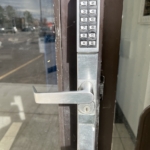
Smart locks represent the forefront of lock technology, offering unparalleled convenience and advanced security features. Operable via smartphones, keypads, or biometric data, smart locks allow homeowners to control access remotely and monitor entry activity. This capability is invaluable for tech-savvy individuals who prioritize both security and convenience. Smart locks can integrate with home automation systems, providing a seamless security solution that adapts to modern lifestyles.
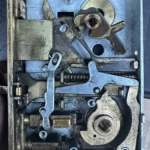
Mortise locks, known for their durability and strength, are a classic choice that remains relevant today. Installed within a pocket cut into the door, these locks offer a robust locking mechanism suitable for both exterior and interior doors. Their historical prevalence in older homes attests to their reliability and effectiveness. Mortise locks provide a blend of traditional design and solid security, making them a favored option for those seeking a balance between aesthetics and safety.
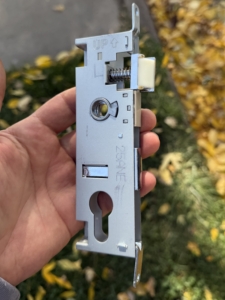
Changing locks may initially seem like a daunting task, but with the right preparation and tools, it can be a manageable and rewarding endeavor.
Equipping yourself with the necessary tools is the first step in ensuring a smooth lock replacement process. A standard screwdriver is essential for removing old locks and securing new ones. Investing in a quality lockset is crucial, as it forms the foundation of your security upgrade. A tape measure is invaluable for confirming that your new lock will fit the existing door structure, while a drill may be required for adjustments or installations in solid doors.
- Remove the Old Lock: Begin by using a screwdriver to unscrew the existing lockset. Carefully remove the door handle or knob, followed by the latch plate from the door edge. This step is critical in ensuring a clean slate for your new lock installation.
- Measure and Prepare: Accurate measurements are vital to a successful lock change. Measure the diameter of the hole in your door, ensuring compatibility with your new lock. Check the backset, which is the distance from the door edge to the center of the hole, and adjust as necessary to align with your new lockset specifications.
- Install the New Lock: Insert the new latch into the door edge, securing it with screws. Align the lockset with the door holes, carefully attaching both the exterior and interior components. Ensure that all screws are tightened securely to maintain the integrity of the lock.
- Test the Lock: After installation, rigorously test the lock to confirm smooth operation from both sides. Ensure that the door closes and locks securely, providing the security upgrade you intended.
If the process of changing locks seems overwhelming or if you encounter difficulties, hiring a professional locksmith can be a wise decision. A locksmith brings expertise and experience, ensuring that the job is done correctly and efficiently. Beyond installation, a locksmith can offer valuable advice on selecting the best locks for your specific needs, providing an added layer of reassurance.
The cost of changing locks is influenced by several factors, ranging from lock types to professional services.
- DIY vs. Professional: Opting to change locks yourself can be cost-effective, but the expertise of a professional locksmith may justify the additional expense. Professionals can offer insights and solutions that may not be immediately apparent to a DIY enthusiast.
- Type of Lock: The type of lock you choose significantly impacts the overall cost. High-security locks and smart locks tend to carry a higher price tag compared to basic deadbolts or knob locks. Consider the long-term benefits of enhanced security when evaluating these options.
- Quantity: If you’re changing multiple locks, inquire about potential discounts for bulk installations. This approach can reduce the cost per lock, making a comprehensive security upgrade more affordable.
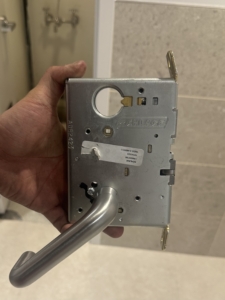
Selecting the right locks involves a balance of security, compatibility, and convenience.
- Consider Security Needs: Assess the security requirements of each door, prioritizing exterior doors with more secure locks. This strategic approach ensures that your most vulnerable entry points are well-protected.
- Check Compatibility: Verify that the new locks are compatible with your door’s existing holes and backset. Compatibility checks prevent installation issues and ensure a seamless upgrade.
- Look for Quality: Invest in high-quality locks that offer robust security features and durability. Quality locks provide long-term peace of mind, safeguarding your home against potential threats.
- Think About Convenience: If you value convenience, explore smart locks with remote access capabilities. These locks offer flexibility and ease of use, aligning with modern lifestyle preferences.
Changing the locks on your home is a vital step in maintaining and enhancing security. Whether you choose to undertake the task yourself or enlist the help of a professional locksmith, understanding your options and the installation process empowers you to make informed decisions. By selecting the right locks tailored to your security needs, you not only fortify your home but also gain invaluable peace of mind.
Remember, securing your home extends beyond merely installing locks; it’s about choosing the appropriate ones that align with your specific needs and ensuring they are correctly installed. Stay vigilant and secure with the right locks in place, safeguarding your home and loved ones against potential threats.