Locked Out of House No Key? Quick Solutions Inside!
Locked Out of Your House with No Key?
That sinking feeling is unmistakable. You hear the click, and you realize your keys are on the kitchen counter and you’re on the wrong side of a locked door. Before you break a window, take a deep breath. We’ll walk you through a clear set of steps, from simple checks to safely calling a pro, to get you back inside.
First, do a systematic search for an entry point. In the initial panic, it’s common to check the front door and give up, forgetting a slightly ajar basement window or an unlocked sliding door in the back. To get back into your locked house without a key, do one complete lap around your property and physically test every option. These are your best alternatives to calling a locksmith.
- Front, back, and garage side-doors
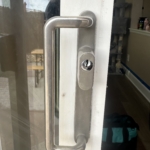
- Sliding glass doors
- All ground-floor windows
- Easily accessible basement windows
If everything is truly sealed, who has a spare key? Call a partner, roommate, or landlord before you call a professional. According to common knowledge among locksmiths, these simple checks are the most overlooked solutions. Taking five minutes for this methodical process is often the fastest way to unlock a front door from the outside and can easily save you a hundred-dollar service fee.
Can You Unlock a Door Without a Key? A Realistic Look at DIY Methods
With every window and back door confirmed locked, you might feel like you’re out of options. This is the point where you’ve probably pictured the famous movie scene: someone slides a credit card into the door frame and pops the lock. While this isn’t just fiction, its success depends entirely on what kind of lock you’re up against.
First, take a close look at your door. Most doorknobs have a spring-latch lock—the small, angled metal bolt that clicks into the door frame automatically when you close it. Many doors also have a separate lock, a deadbolt, which is a thick, rectangular block of steel that you have to turn a key to engage. Knowing which one is securing your door is everything.
The “card trick” is a method that only works on the spring-latch. The idea is to use a stiff but flexible plastic card (choose one you don’t mind damaging, not your primary credit card) to slide into the thin gap between the door and the frame. By wiggling the card and pushing it against the angled edge of the latch, you can sometimes force it back into the door and release the lock.
However—and this is the critical part—this trick is completely useless if your deadbolt is locked. A deadbolt has no spring and no angled edge; it’s a solid block of metal securing the door to the frame. There is nothing for a card to push against. If your deadbolt is engaged, or if the card trick simply isn’t working, it’s time to accept this DIY method won’t be your solution.

What If Your Key is Stuck in the Lock on the Other Side?
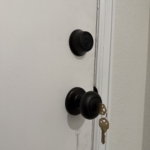
There’s a special kind of helplessness that comes from seeing your key dangling from the inside of the locked door. When a key is in the lock, it physically blocks the keyway, making it impossible to insert a spare key from the outside. Before you give up, there are two non-destructive methods you can attempt, but they require specific setups.
For these to work, you’ll need either a mail slot in your door or a specific type of lock. See if one of these options applies to your situation:
- The Mail Slot Method: Straighten a wire coat hanger, leaving a small hook at the end. Push it through the mail slot and try to hook the thumb-turn (the small knob on the inside of the lock) to turn it. Alternatively, you can try to hook the key itself and jiggle it out of the lock so it falls to the floor.
- The Push-Through Method: This only works if your lock accepts a key on both sides (no thumb-turn). Slide a thin piece of paper or a newsletter under the door. Insert your spare key into the lock and push gently but firmly. The goal is to push the inside key out of the lock, letting it fall onto the paper below, which you can then pull back toward you.
The moment you feel major resistance with either method, stop. Forcing it can snap the key or damage the lock, turning a simple way to get back into a locked house into a costly repair from an emergency locksmith for house lockout. If these techniques don’t work, or if you live in an apartment, it’s time to move on to other resources.
For Renters: Understanding Your Landlord’s Responsibility in a Lockout
If you’re a renter, your next call should be to your landlord or property manager. Many management companies keep a master key for emergencies and can let you in quickly. This is often the most straightforward way to get back into a locked house without causing any damage. However, it’s important to understand that providing lockout assistance is a service, not always a requirement.
Before you dial, be prepared for a potential fee. Check your lease agreement, as this contract often outlines the rules and costs for lockouts. Some landlords provide the service for free during business hours but will add an “after-hours service charge” for nights or weekends. Knowing what your lease says about landlord responsibility for lockout situations can prevent a surprise bill. It helps you decide if calling them is the right move, especially when you’re figuring out what to do when you lose your house keys.
When you contact your landlord, be calm and clear. A simple, “Hi, I’m locked out of my apartment at [Your Address]. Are you able to help, and can you tell me if there’s a fee?” sets a professional tone. If your landlord is unavailable, can’t help, or the fee is too high, don’t worry. Your next option is calling a professional.
How to Find a Trustworthy Locksmith (and Avoid Common Scams)
When you need an emergency locksmith for house lockout, a quick online search can feel like a minefield. The top results are often not local businesses but national dispatch centers. These companies take your call and send an unvetted, independent contractor to your home, sometimes with questionable skills and intentions. Their goal is to secure the job with a low phone quote and then inflate the price dramatically once they arrive, a classic price-gouging tactic.
To protect yourself, treat the phone call as a screening interview. A legitimate professional will have no problem answering a few basic questions. Before you agree to anything, ask the following:
- “What is your specific business name and address?” (A real local business will have one. Look it up online while you’re on the phone.)
- “Can you give me a full estimate?” (Ask for the service call fee, labor charges, and any potential extra fees. A vague answer like “It starts at $49” is a red flag.)
- “What’s the name of the locksmith who will be arriving?” (This adds a layer of accountability.)
Once the locksmith arrives, the vetting process isn’t over. Keep an eye out for major warning signs. A true professional will typically arrive in a vehicle clearly marked with the company’s name and logo. Be wary of anyone who shows up in an unmarked car. They should also provide you with a written estimate that matches the phone quote before starting any work. If they immediately insist the only option is to drill and replace your lock—a costly procedure—you have the right to send them away.
Taking these few extra minutes is key to choosing a residential locksmith you can trust, ensuring you get back inside without getting taken for a ride.

How Much Does a Locksmith Cost to Unlock a Door? A Clear Price Breakdown
Now that you know how to find a reputable pro, let’s address the big question: how much does a locksmith cost to unlock a door? For a standard lockout during business hours, you can generally expect to pay between $75 and $250. This price isn’t just one single charge; it’s a combination of a few different fees that make up the final bill. Knowing what these are will help you understand the quote you receive and spot any red flags.
A legitimate locksmith’s bill is typically made up of two or three core parts. This structure is important because it separates the cost of their travel from the cost of their work.
Several factors can increase this base price. The time of day is the most common, but the type of lock is also crucial. A simple doorknob latch is much quicker to open than a high-security deadbolt that is pick-resistant or drill-proof. If the lock is old or damaged and cannot be opened without breaking it, you will also have to pay for a replacement part. In this scenario, you might consider the cost to rekey a house so your old keys no longer work, adding another layer of security and a separate charge to the bill.
Never Get Locked Out Again: Your 3-Step Prevention Plan
That moment of panic on the wrong side of a locked door is a feeling you no longer need to fear. Where there was once a sense of powerlessness, you now have a clear understanding of your options and the tools to build a robust plan. You’ve transformed a moment of crisis into an opportunity for control.
Your first step in preventing future home lockouts can be taken tonight. Create your spare key strategy by choosing a trusted neighbor and a nearby relative to hold your backup keys. This simple, no-cost action is your most reliable first line of defense and a powerful way to build a personal safety net against that sinking feeling.
With that foundation in place, you can approach your home’s security with new confidence. You can weigh the convenience of a smart lock vs a traditional key, choosing the technology that best fits your life, not just your door. Should a key ever be lost for good, you now see that the low cost to rekey a house is a small price for restoring your complete peace of mind.
Your front door is no longer just a potential barrier; it’s a system you can manage with foresight. By taking these small steps, you’ve turned a point of vulnerability into a statement of security. Your home remains your sanctuary, and you’ve ensured you will always have a way back in—with or without a key in hand.