
Comparing Single and Double Cylinder Deadbolts
Comparing Single and Double Cylinder Deadbolts
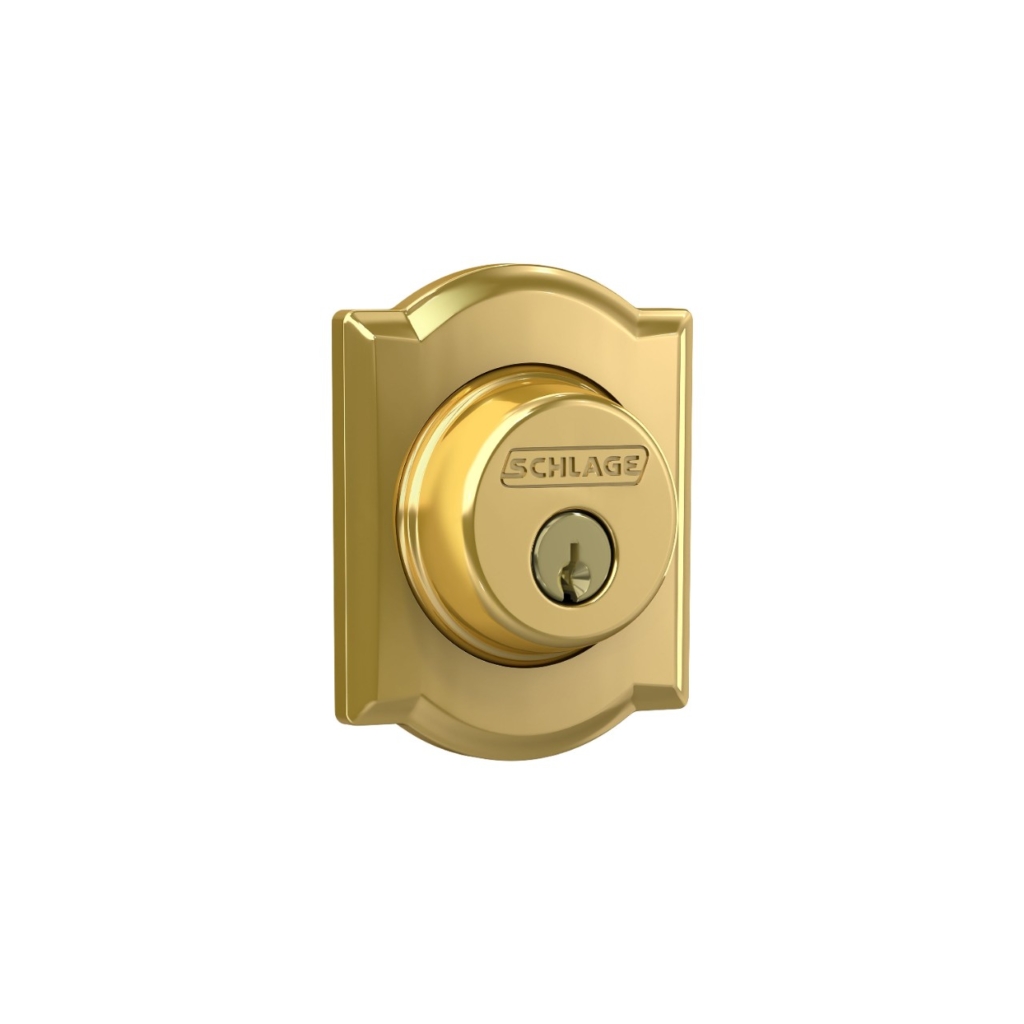
You might assume a “double cylinder” deadbolt offers twice the holding power of a single one, but that common hardware store misconception is incorrect. The difference is not the number of bolts; it is entirely about the internal operation. A single cylinder lock features a thumb-turn—the familiar latch you flip by hand to lock the door behind you. In contrast, a double cylinder uses a cylinder mechanism with a keyhole on both the outside and the inside faces of the door.
This choice creates an immediate tug-of-war between burglar protection and fire safety. Many homeowners install double-sided locks near glass panels, fearing an intruder could break the window and use the “reach-through” method to flip a thumb-turn. However, fire safety experts frequently warn against this setup due to egress risks. In a smoke-filled emergency, scrambling to find a key just to unlock your own door creates a dangerous hurdle.
Your decision requires balancing that vulnerability against daily convenience. While solid wood doors usually call for standard deadbolt types, entryways with glass complicate the difference between single and double-sided options.
Deadbolt Lock
Why the Single-Cylinder Deadbolt is Your Front Door’s Best Friend
Most homes you visit likely have this setup already. From the outside, you need a physical key to retract the bolt, but the inside features a simple latch—often called a thumb-turn—that operates the lock. This layout creates a single sided deadbolt with interior twist knob, allowing you to lock up for the night without hunting for your keys. It is the residential standard for a reason: it balances keep-out security with immediate accessibility for the people living inside.
Imagine waking up to the sound of a smoke alarm at 2:00 AM. In that moment of confusion and panic, you shouldn’t have to fumble around a nightstand looking for a key just to open your own front door. Fire safety experts emphasize the benefits of thumbturn locks for emergency egress (a technical term for getting out fast). Because the mechanism doesn’t require fine motor skills or a specific tool to operate from the inside, it ensures that your exit route remains clear when seconds count.
Beyond critical emergencies, the convenience factor plays a huge role in daily family life. When weighing a thumbturn deadbolt vs keyed entry, the thumb-turn almost always wins for busy households. Consider these common situations where simplicity is actually safer:
- Households with children: Kids can exit safely during a fire or emergency without needing to manage a key they might lose.
- Mobility issues: Elderly family members with arthritis often find a large twist knob significantly easier to grip and turn than a small, thin key.
- High-traffic entryways: If you are constantly letting the dog out or grabbing mail, needing a key to re-lock the door becomes a frustration that might lead you to leave it unlocked—defeating the purpose entirely.
While this ease of use makes the single-cylinder deadbolt the top choice for solid wood or metal doors, that same convenience becomes a liability if your entryway includes glass. If a burglar can smash a windowpane and simply reach inside to flip the thumb-turn, your security is instantly compromised. This specific vulnerability is why some homeowners must look for a more restrictive solution.
Stopping the ‘Reach-Through’: How Double-Cylinder Deadbolts Protect Glass Doors
Take a look at your front entryway specifically to measure the distance between the glass and the handle. If you have decorative side-lights (narrow windows beside the door) or a pane of glass within arm’s reach of the lock, that convenient thumb-turn discussed earlier becomes a major weakness. Burglars rarely try to smash down a solid door; instead, they look for the path of least resistance. In this scenario, breaking a small window allows them to simply extend an arm inside and flip the latch, unlocking your home as easily as if you had invited them in.
Deadbolt locks for doors with glass panels become essential here. A double-cylinder deadbolt removes the interior thumb-turn entirely and replaces it with a second cylinder, meaning the lock looks exactly the same on the inside as it does on the outside. To lock or unlock the door—whether you are standing on the front porch or in your hallway—you must insert and turn a physical key. By eliminating the manual lever, you ensure that even if an intruder shatters the glass, they will find nothing to manipulate.
Security experts often highlight this mechanical difference when analyzing single cylinder vs double cylinder deadbolt security. The double-cylinder design transforms your door from a vulnerable entry point into a solid barrier, effectively preventing burglars from reaching through door glass. Because the mechanism requires a specific tool to operate from both sides, the lock remains secure regardless of the condition of the surrounding windows, providing necessary protection for homeowners who refuse to sacrifice their decorative entryways for solid steel.
However, this heightened level of physical security introduces a serious safety complication for the people inside. While keeping intruders out is a priority, you must also consider what happens when you need to exit the home immediately. Creating a situation where you are effectively locked inside your own house requires a careful evaluation of risks, particularly when seconds matter during a midnight emergency.
The 30-Second Escape Rule: Understanding Fire Safety Hazards and Building Codes
Security often comes at the price of convenience, but in this case, the cost is potentially life-threatening. If a fire starts at night and smoke fills the hallway, finding a small metal key to unlock your front door becomes nearly impossible. Fire safety experts call this the “entrapment risk.” While the lock effectively blocks intruders, the mechanism does not distinguish between a burglar reaching in and a homeowner trying to rush out. The risk of being locked inside during emergency situations is why safety professionals urge homeowners to weigh the time it takes to find a key against the rapid spread of modern residential fires.
Because of this danger, many local governments have intervened to protect residents. You might find that building code requirements for emergency exit locks explicitly ban double-cylinder models on any door designated as a primary fire escape. This leads many homeowners to ask if double sided deadbolts are legal in their specific area. In many jurisdictions, “means of egress” (exit routes) must be operable from the inside without special tools, keys, or special knowledge, prioritizing immediate life safety over absolute physical security.
If you determine that your security situation absolutely requires this lock type—and your local laws permit it—you must adopt strict habits to mitigate the double cylinder deadbolt fire safety hazards. Follow this safety protocol to balance protection with survival:
- Captive Key Rule: Mount a spare key on a hook that is out of reach of the window, but within arm’s length of the lock.
- Nightly Test: Ensure the internal keyway is lubricated so the key turns instantly without jiggling.
- Drill the Exit: Practice unlocking the door in the dark with your family to build muscle memory.
Now that you have balanced the function of the cylinder against safety risks, it is time to look at the strength of the metal itself. Whether single or double, a lock is only as strong as its materials.
Beyond the Cylinder: How ANSI Grade 1 Ratings Guarantee True Security
Choosing the perfect cylinder style is useless if a burglar can simply kick the door open. When figuring out how to choose the right deadbolt, you need to look past the keyhole and check the ANSI grade on the packaging. Think of this rating as a mandatory report card for hardware, telling you exactly high much punishment the lock can withstand before the metal snaps.
Most hardware stores mix three levels of quality on the same shelf, making it hard to tell a budget lock from a secure one just by looking at the box. The ANSI Grade 1 deadbolt security ratings represent the gold standard, indicating that deadbolt locks have been tested against sledgehammers, pipe wrenches, and long-term wear. While a standard Grade 3 lock is acceptable for a side door, your main entry points require the hardened steel found in higher grades:
- Grade 3 (Standard): Survives 2 heavy strikes; rated for 200,000 uses.
- Grade 1 (Ultimate): Survives 10 heavy strikes; rated for 1 million uses.
Installing a Grade 1 single-cylinder lock is often the smartest compromise for most homeowners. You gain the fire safety of an easy-exit thumb-turn combined with a bolt that is nearly impervious to physical force. However, physical strength is only half the battle if you lose your keys.
The Best of Both Worlds? Evaluating Smart Deadbolts with Keyless Features
Losing a physical key is stressful, but hiding a spare under the doormat is practically an invitation for intruders. Smart deadbolts with keyless entry features offer a modern workaround to the risks associated with traditional hardware. Instead of worrying about lock cylinder operation and key access from the outside, you simply punch in a code or tap your phone to enter. This setup mimics the safety of a standard single-cylinder lock—you still have a thumb-turn on the inside for a fast exit during a fire—but eliminates the security vulnerability of carrying, losing, or hiding metal keys.
Homeowners with decorative glass panes often feel forced to choose between a dangerous double-cylinder lock or being vulnerable to a burglar reaching through broken glass to unlock the door. Smart locks bridge this gap by offering advanced security monitoring that physical locks cannot match. While weighing the pros and cons of double sided door locks, consider how digital upgrades provide robust protection without compromising fire safety:
- No-Key Egress: A thumb-turn interior ensures you can escape quickly during an emergency, complying with safety codes.
- Auto-Locking: The deadbolt automatically secures itself after a set time, ensuring you never leave the house unlocked.
- Temporary Access: You can give a pet sitter a unique code that expires, rather than handing out a permanent key.
- Activity Alerts: Many models notify your phone immediately if the door is tampered with or forced open.
Technology does come with a higher price tag and the maintenance of battery changes, which can deter some budget-focused buyers. However, for a main entry point, the combination of convenience and verified security often justifies the investment. Now that you understand the mechanics, the grades, and the digital options, it is time to make a final choice based on your specific home setup.
The Homeowner’s 3-Step Decision Matrix for Choosing the Right Deadbolt
You started this search staring at two similar boxes, but now you understand that the difference between single and double side deadbolts is really about balancing burglary protection with fire safety. You are no longer guessing which hardware looks best; you are actively assessing your home’s unique layout to make a life-safety decision.
To finalize how to choose the right deadbolt for front door security, walk to your entrance right now and answer these three questions:
- Is there glass within 40 inches of the lock that an intruder could break to reach inside?
- Does your local fire code or rental agreement prohibit locks that require an internal key for exit?
- If you choose a double cylinder, is there a designated spot for a backup key that every family member can reach in the dark?
While deadbolt types vary, your priority is constant. If you decide on a double-cylinder lock to protect against glass breakage, ensure that internal key is always accessible. Otherwise, a high-quality single-cylinder lock usually offers the best peace of mind—keeping intruders out while ensuring your loved ones can always get out.






Leave a Reply
Want to join the discussion?Feel free to contribute!