
Cost Comparison: Rekeying vs. Replacing Locks
Cost Comparison: Rekeying vs. Replacing Locks
Deciding whether to rekey or replace locks can be a daunting task. Both options have their own benefits and costs. Understanding these can help you make an informed decision.
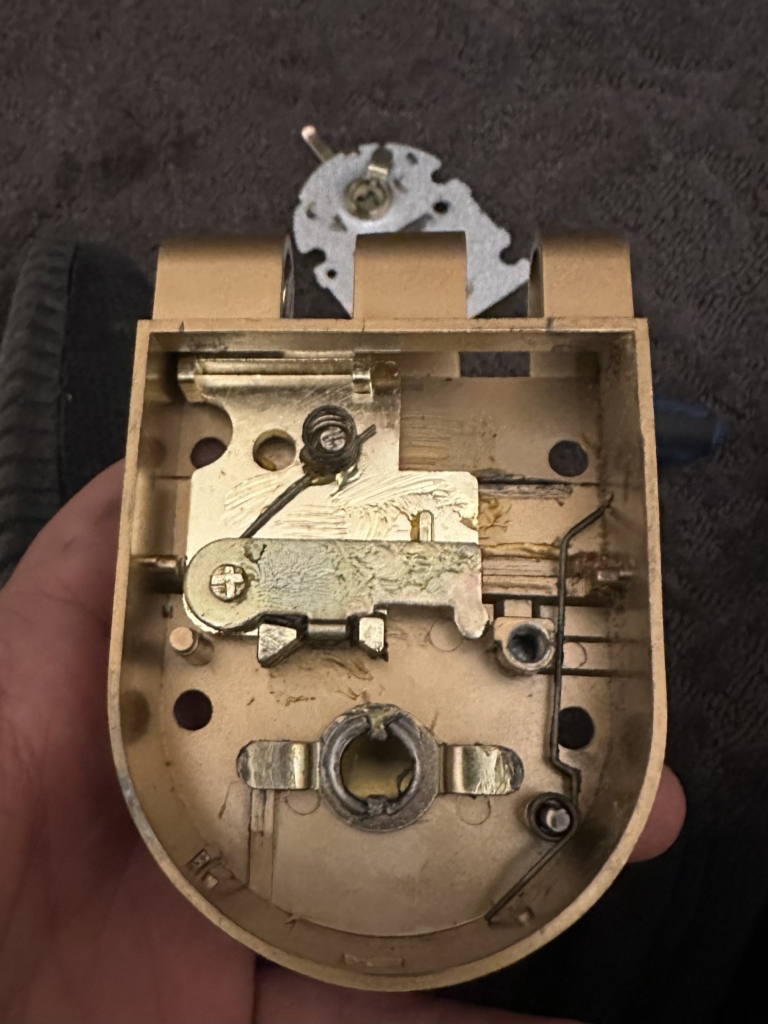
Rekeying involves altering the lock’s internal components. This allows it to work with a new key. It’s a cost-effective solution for many.
Get Quote
Replacing locks, on the other hand, means installing a completely new lock. This option can offer enhanced security features. It might be necessary if your lock is damaged or outdated.
Is it cheaper to rekey or replace locks? This is a common question among homeowners. The answer depends on various factors, including your security needs and budget.
In this guide, we’ll explore the costs and benefits of each option. We’ll help you choose the best security lock solutions for your home.

Understanding Rekeying and Lock Replacement
Rekeying a lock involves modifying its internal structure. This allows the lock to operate with a new key. It’s an efficient way to change access without installing new hardware.
Replacing locks is a different process. It involves removing the old lock and installing a new one. This option can provide modern features and improved security.
Rekeying has several scenarios where it’s beneficial. These include:
- Moving to a new home.
- Losing a key.
- Wanting to prevent access with an old key.

Lock replacement is necessary in specific circumstances. For instance, if a lock is outdated or damaged, replacing it becomes crucial. It offers an opportunity to enhance the security of your home with advanced locks.
Understanding the differences and applications of each option can help you make an informed choice.
Cost Breakdown: Rekeying vs. Replacing Locks
Understanding the cost implications of rekeying and replacing locks is essential. Each option involves different expenses and processes.
Rekeying is generally more affordable. The typical cost ranges from $20 to $50 per lock. The overall cost depends on complexity and location.
Replacing locks, on the other hand, tends to be pricier. Costs usually range from $80 to $200 per lock. This includes the price of the new lock and labor fees.
Key Costs in Rekeying:
- Labor charges for locksmith services.
- Key duplication fees if extra keys are needed.
Key Costs in Lock Replacement:
- The new lock purchase price.
- Installation and labor costs.
Choosing between the two involves evaluating your budget. Rekeying is cost-effective but doesn’t enhance lock quality. Replacing locks is more expensive but can provide higher security and functionality. Always weigh the long-term benefits against immediate costs. Consider factors like the age and condition of your current locks when deciding. Consulting a locksmith can offer clarity on the best security investment for your home.
When Should You Rekey or Replace Locks?
Deciding when to rekey or replace locks depends on several factors. Each method suits different situations and needs.
Rekeying is perfect for certain scenarios. Consider it if you’ve lost a key or moved into a new property. Maintaining existing hardware while changing access is its primary advantage.
Situations Ideal for Rekeying:
- After losing a key.
- When changing tenants or homeowners.
- For convenience if you prefer keeping the existing locks.
Replacement becomes necessary under different circumstances. If a lock is damaged or outdated, replacing might be the best course of action. Upgrading to advanced systems offers enhanced protection.
Situations Ideal for Replacing:
- When upgrading to smart or high-security locks.
- If the lock is damaged or compromised.
- For aesthetic updates or improved security features.
Evaluate your property’s current security needs. The choice between rekeying and replacing should reflect your security concerns and hardware condition. A locksmith can help make the best decision based on your situation.
Security Considerations: Which Option Is Safer?
When assessing security needs, both rekeying and replacing locks have distinct benefits and drawbacks. Your choice should align with your property’s specific needs.
Rekeying offers a secure way to ensure old keys are invalid. However, it doesn’t enhance the physical security of your locks. If the hardware remains, its vulnerability persists.
Replacing locks provides an opportunity to upgrade to more robust, tamper-resistant models. Enhanced security features such as keyless entry or smart technology come with this option.
Security Features of Replacing Locks:
- More robust materials
- Advanced technology options
- Tamper-resistant designs
Consider your property’s unique security threats and the potential risks. Upgraded locks may offer a better line of defense against intrusions. A professional can provide tailored advice to enhance overall protection.
DIY vs. Professional Locksmith Services
Deciding between DIY and professional locksmith services depends on several factors. These include your budget, skill level, and specific security needs.
DIY rekeying is an option if you have the right tools and patience. It offers cost savings but requires a good understanding of lock mechanisms. Mistakes can lead to increased costs and security risks.
Professional locksmith services, though more expensive, provide expertise and peace of mind. Professionals can handle complex lock systems and offer advice on the best security solutions for your home.
Pros and Cons:
- DIY:
- Cost-effective
- Requires skill
- Professional Services:
- Reliable and secure
- Higher expense
Evaluate the complexity of the job and your comfort level with DIY tasks. A professional locksmith may offer package deals that make services more affordable.
Choosing the Right Security Lock Solutions for Your Home
Selecting the optimal security lock solutions involves assessing your property’s specific needs. Consider factors like neighborhood safety, house access points, and overall budget.
Modern advancements offer a broad range of locks to choose from. High-security locks provide enhanced protection against intrusions, while smart locks offer convenience with features like remote access.
To choose the best solution, identify your security priorities.
Key Considerations:
- Security Level:
- High-security locks
- Basic locks
- Technological Preferences:
- Smart locks
- Traditional locks
Consult with a security expert to tailor the solution to your home. They can provide guidance based on the latest security trends and technologies.
Conclusion: Is It Cheaper to Rekey or Replace Locks?
Deciding between rekeying or replacing locks often boils down to cost and security needs. Rekeying is generally more economical, costing between $20 to $90 per lock. It’s a practical choice when the existing hardware is in good condition but old keys need to be invalidated.
Replacing locks, while pricier, usually ranges from $80 to $200 per lock. It offers enhanced security features and is a worthwhile investment if current locks are damaged or outdated. Replacement also provides the opportunity to upgrade to advanced systems like smart locks.
Ultimately, the choice depends on your specific security requirements and budget constraints. Both options serve vital roles in a comprehensive home security strategy. Consulting with a professional locksmith can ensure you choose the best approach for your unique situation.







Leave a Reply
Want to join the discussion?Feel free to contribute!