
Finding Reliable Locksmiths Near You | Free Estimate
Finding Reliable Locksmiths Near You | Free Estimate
Locked out? The moment of panic is real. Your keys are inside, your plans are on hold, and your mind is racing. Before you consider a drastic solution, take a deep breath. This guide provides the exact steps for handling a house lockout safely and without getting scammed.
Whether you’re searching for a locksmith for a planned upgrade or need immediate help, your most powerful tool is the phone call you make before a technician is dispatched. Getting a clear, total price quote upfront is the single most important action you can take to avoid surprise fees.
You’ll learn the right questions to ask, the red flags to spot, and how to turn a moment of stress into a confident, secure solution.
Should You Rekey or Replace Your Locks? The $100+ Question
When you move into a new home or lose a set of keys, the first thought is often, “I need to change the locks.” But that doesn’t always mean buying brand-new hardware. Understanding the difference between rekeying and replacing a lock can save you significant time and money.
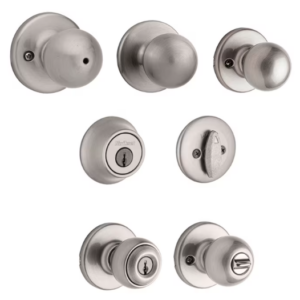
The most common and affordable solution is rekeying. Think of it like changing the password for your front door. A locksmith keeps your existing lock but alters the internal pins so that a new key works and all previous keys are rendered useless. This is the perfect choice when your lock is in good condition, but you don’t know who might have a copy of the old key.
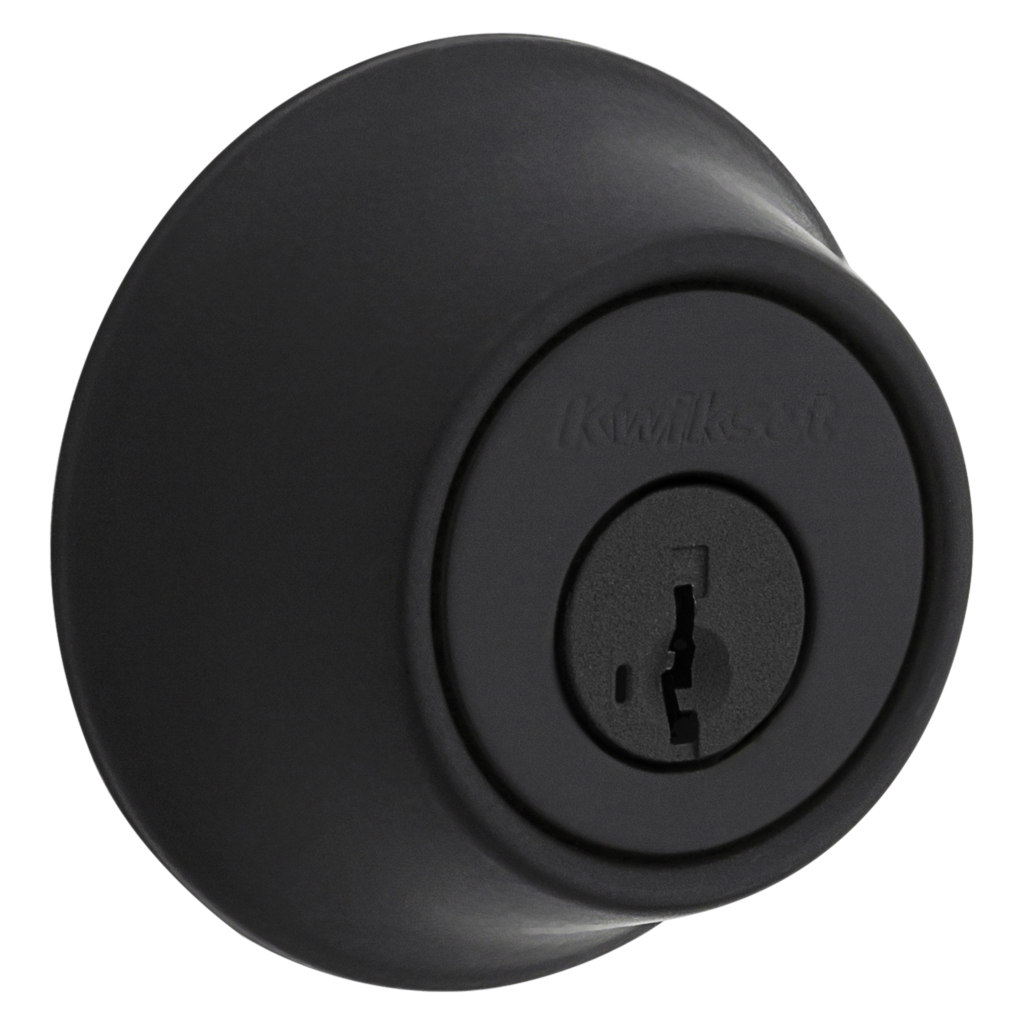
On the other hand, replacing a lock involves removing the entire piece of hardware and installing a completely new one. You should choose this option if your current lock is broken, old, or you want to upgrade to a higher-security model, like a deadbolt with protection against lock picking. It’s a hardware fix, not just a key change.
Knowing which service to ask for puts you in control. Rekeying is almost always more budget-friendly, often costing a fraction of a full replacement.
How to Spot a Professional and Avoid Scams
A quick online search for a locksmith will show dozens of options, but be careful—many aren’t truly local. National call centers often pose as neighborhood businesses to exploit people in urgent situations, and knowing how to screen them is your best defense.
The biggest red flag is the classic bait-and-switch scam. A dispatcher will quote a suspiciously low “service fee”—often $19 to $49—just to get a technician to your door. Once there, the price suddenly skyrockets. They’ll claim your standard lock is “high-security” and requires expensive work, leaving you with a bill for hundreds more. That initial fee was only for their drive time, not the actual job.
To protect yourself, always ask these questions on the phone before agreeing to anything:
- “What is your legal business name and can you confirm your local address?” A legitimate business will have a real, verifiable address, not just a P.O. box or a vague service area.
- “Can you give me a total, out-the-door price estimate for my situation?” Insist on a quote that includes all labor and potential fees, not just the service call.
- “Do you require a state license or certification?” (If applicable in your state). This helps verify their qualifications.
- “What’s the estimated arrival time?” Vague answers can be a warning sign of a disorganized or distant call center.
Finally, the business name they give you on the phone should match the name on their van and invoice. If anything feels off when they arrive, you have the right to refuse service before work begins.
How Much Does a Locksmith Actually Cost? A No-Nonsense Price Guide
While prices vary by location and time of day, a professional’s quote won’t be a mystery. It’s broken down into understandable parts, unlike the vague, lowball numbers used in bait-and-switch scams.
Think of the total price in three main pieces. First is the service fee, which covers the trip to your location. Next comes labor, the charge for the locksmith’s time and skill. Finally, if you need a new lock or other hardware, there’s the cost of parts. A trustworthy pro will be transparent about how these add up.
For a common daytime emergency like a house or car lockout, a fair total price typically lands between $75 and $150. If you’re securing a new home, the average cost to rekey a house often runs from $20 to $50 per lock cylinder, plus the initial service fee. Night, weekend, or holiday calls will naturally cost more.
A reputable locksmith can provide a clear and realistic free estimate over the phone because they know what the job entails. They won’t hide fees or surprise you with a massive bill.
Locked Keys in Car? Why a Locksmith is Your Best Bet
That sinking feeling when you see your keys inside your locked car is universal. But for modern vehicles, the problem is bigger than just getting the door open—what if you’ve lost the key entirely? Many people assume a trip to the dealership is their only option for a car key replacement and programming.
However, a skilled automotive locksmith often provides a faster, mobile solution. A key fob programming service simply syncs a new key with your car’s computer, telling it, “This new key is friendly—let it start the engine.” It’s a quick digital handshake that makes the key work.
Choosing a locksmith for this not only saves you the hassle and cost of a tow to the dealership but is also often significantly more affordable. Instead of waiting for an appointment, a mobile locksmith comes to you, providing a complete solution on the spot.
Your Action Plan: Hire a Local Locksmith With Confidence
With a clear plan, you can replace the panic of a lockout with a confident decision. Use this 5-step checklist every time you need to find a reliable locksmith:
- Search online for “locksmith” plus your city.
- Find a business with a real local address.
- Call and get a total price quote before agreeing to service.
- Confirm the business name on the phone matches the van.
- Keep their number for future peace of mind.
Remember, a vague price quote is the biggest red flag. By asking for clarity, you are taking control of your security and your budget. The next time you have a lock issue, you won’t feel panic—you’ll feel prepared.









Leave a Reply
Want to join the discussion?Feel free to contribute!