
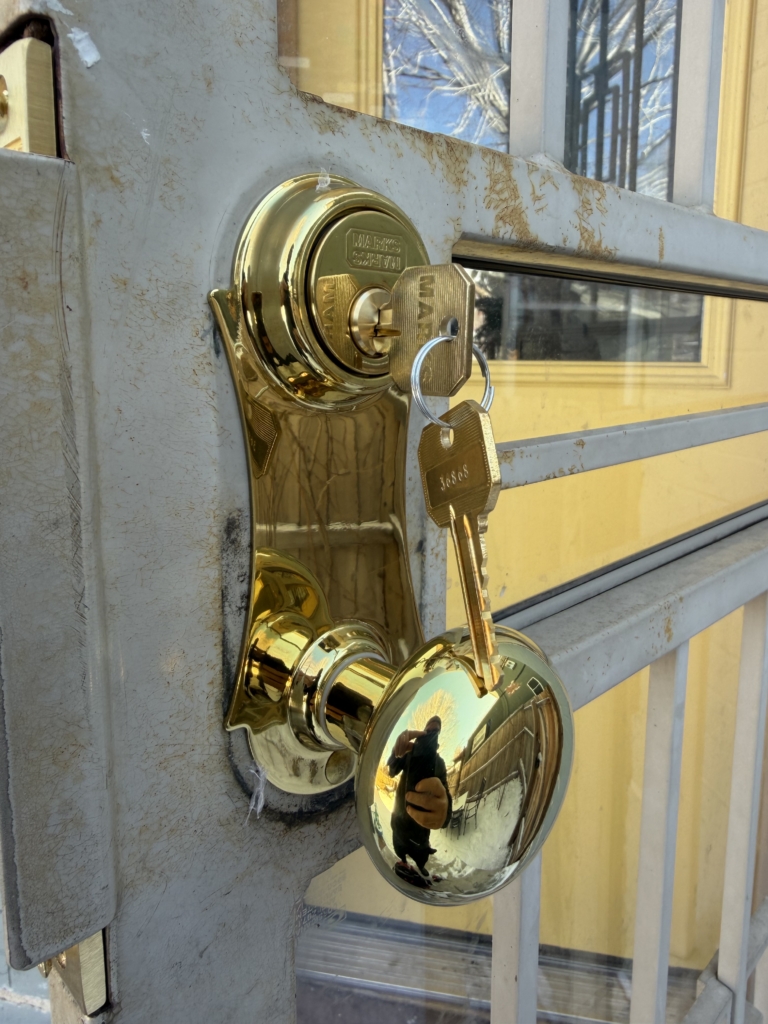
Marks Lock Installation Metal Security Doors Guide
Marks Lock Installation Metal Security Doors Guide
Introduction:
Metal security doors require specialized hardware designed to withstand forced entry attempts, harsh weather, and constant use. When it comes to locks for metal security doors, Marks USA stands out as an industry leader with over a century of manufacturing excellence. Whether you’re installing new Marks locks on commercial metal doors or repairing existing hardware, understanding the unique requirements of these robust security systems ensures maximum protection and longevity.
Marks locks are specifically engineered for metal door applications, offering superior security features, durability, and compliance with building codes. From apartment buildings and commercial properties to industrial facilities and government buildings, Marks hardware provides the reliability that metal security door applications demand. This comprehensive guide covers everything you need to know about Marks lock installation, repair, maintenance, and troubleshooting for metal security doors.
Understanding Marks USA Locks for Metal Security Doors
Why Marks USA Dominates Metal Door Hardware
Founded in 1907, Marks USA has built its reputation manufacturing locks and door hardware specifically designed for challenging applications. Unlike residential locks that work with wood or lightweight doors, Marks products are engineered to handle the unique demands of metal security doors:
Heavy-Duty Construction: Metal doors are significantly heavier than wood doors, often weighing 100-300 pounds. Marks locks feature reinforced components that withstand the stress and torque from operating these heavy doors thousands of times without failure.
Precision Engineering: Metal doors require precise tolerances because metal doesn’t compress or adjust like wood. Marks locks are manufactured to exact specifications ensuring proper fit and function in metal door frames without binding or misalignment issues.
Corrosion Resistance: Metal doors are commonly used in exterior applications, parking garages, loading docks, and areas with moisture exposure. Marks uses corrosion-resistant materials including stainless steel, brass, and specially coated components that resist rust and deterioration.
Fire Rating Compatibility: Many metal security doors are fire-rated, requiring UL-listed fire-rated locks. Marks manufactures complete lines of fire-rated hardware meeting stringent safety codes for 3-hour, 90-minute, and 45-minute fire door applications.
ADA Compliance: Marks locks are designed to meet Americans with Disabilities Act requirements for operating force, hardware height, and ease of operation—critical for commercial and multi-family residential applications.
Common Marks Lock Models for Metal Security Doors
Marks 22AC Metro Mortise Lock: The industry standard for apartment building entry doors, the 22AC series features a heavy-duty mortise lock body designed for high-traffic metal door applications. Available with various trims and functions including entrance, apartment entry, storeroom, and classroom security.
Marks 9215 Ornamental Trim Series: Premium decorative mortise locks combining security with aesthetic appeal. Popular in upscale apartment buildings, condominiums, and commercial properties where appearance matters alongside security. Features solid brass or bronze construction compatible with thick metal doors.
Marks 91A/2 Mortise Lock: Heavy-duty commercial grade mortise lock for demanding applications. Features a 1-inch deadbolt throw, anti-friction latch, and reinforced strike for maximum security on metal security doors in industrial, institutional, and high-security commercial settings.
Marks 114/26D Mortise Lock: Standard duty mortise lock suitable for lighter commercial applications. Cost-effective solution for metal doors in office buildings, retail spaces, and commercial facilities with moderate traffic.
Marks USA 7 Series Panic Exit Devices: Life safety hardware for metal fire doors and emergency exits. UL-listed panic bars and exit devices meeting building code requirements for safe egress while maintaining security.
Tools and Materials Needed for Marks Lock Installation
Essential Tools:
Power Tools:
Hand Tools:
Safety Equipment:
Materials and Supplies:
Marks Lock Components:
Installation Supplies:
Step-by-Step: Installing Marks Mortise Locks on Metal Security Doors
Pre-Installation Preparation
Step 1: Verify Door and Frame Compatibility
Metal security doors come in various gauges and constructions. Measure your door thickness—standard metal doors range from 1-3/4″ to 2″ thick, though some security doors reach 2-1/4″. Verify the door has sufficient thickness and internal structure to accept a mortise lock. Check that door reinforcement exists at lock height; quality metal security doors include internal reinforcement plates.
Inspect the frame to ensure it can accommodate the strike. Metal door frames (hollow metal frames) require proper preparation and often need strike reinforcement boxes or strike boxes welded into the frame during manufacturing. Retrofitting strikes into unprepared frames requires professional installation.
Step 2: Select Proper Backset and Functions
Standard backsets for Marks mortise locks are 2-3/4″ (standard) or 2-3/8″ (narrow stile for aluminum doors). Measure from the door edge to the centerline of the lock hole to determine required backset. Verify the lock function matches your application: entrance (deadbolt and latch both operable by key), apartment (deadbolt always locked requiring key, latch operable by handle), or storeroom (latch operable by key only from outside).
Step 3: Prepare Templates and Mark Locations
Use the Marks installation template provided with your lock (or download from Marks USA website). Templates show exact hole locations, sizes, and measurements. Tape the template securely to the door at the correct height—typically 36-38″ from floor to lock centerline for standard applications, 40-42″ for ADA compliance.
Use a center punch to mark all hole centers through the template. This creates a dimple preventing drill bits from wandering on smooth metal surfaces. Mark the faceplate outline with a permanent marker.
Lock Body Installation
Step 4: Drill the Lock Mortise Pocket
Metal security doors typically have one of two internal constructions affecting mortise preparation:
Hollow Metal Doors with Edge Reinforcement: These doors feature steel face sheets with internal reinforcement at the lock location. Drill a series of holes around the mortise perimeter using a step bit, then use a grinder or metal cutting tools to remove material between holes. Clean edges thoroughly with files. The lock body slides into this pocket.
Foam or Honeycomb Core Metal Doors: Higher-quality metal security doors use polyurethane foam or honeycomb cores providing sound dampening and insulation. Use a long drill bit to remove core material where the lock body sits. The lock faceplate bears against the door edge while the lock body extends into the cleared cavity.
Work slowly when drilling metal—excessive speed generates heat damaging drill bits and the door finish. Use cutting oil to cool bits and produce cleaner cuts. Metal generates sharp burrs; file all edges smooth to prevent injury and ensure proper lock fit.
Step 5: Create Cylinder and Trim Holes
Drill the cylinder hole from both sides to prevent burrs on the visible door face. Start with a small pilot hole (1/8″) completely through the door, then use progressively larger bits or a hole saw from each side meeting in the middle. This technique produces the cleanest holes in metal.
For mortise locks requiring through-bolts (connecting interior and exterior trim), drill mounting holes perpendicular to the lock body. Most Marks locks use 1/4″ through-bolts; consult your specific lock template for exact specifications.
Deburr all holes thoroughly. Metal burrs prevent proper lock installation and can damage lock components during assembly.
Step 6: Install Lock Body and Faceplate
Slide the Marks mortise lock body into the prepared pocket. The lock should fit snugly without force—if excessive force is needed, the pocket requires enlargement. Position the faceplate flush with the door edge.
Secure the lock body using the provided screws. Marks locks typically use machine screws threading into the lock body. Ensure screws seat fully but don’t overtighten—stripped threads in the lock body mean lock replacement.
Apply thread-locking compound to screws preventing loosening from door vibration and repeated use. Wipe away excess compound before it cures.
Step 7: Install Cylinders
Insert the Marks cylinders through the door and into the lock body. Cylinders should thread smoothly into the lock—resistance indicates misalignment. Once threaded, tighten the cylinder setscrew securing the cylinder to the lock body. Don’t overtighten; the setscrew only needs to be snug to prevent cylinder rotation.
Test cylinder operation before proceeding. The key should turn smoothly, operating the deadbolt and latch. Rough or binding operation indicates misalignment requiring adjustment before trim installation.
Trim and Strike Installation
Step 8: Install Trim Sets
Marks mortise lock trim connects to the lock body via spindles and through-bolts. Insert the interior trim first, aligning the spindle with the lock body hub. Thread through-bolts through the door, then attach the exterior trim. Through-bolts pull both trim pieces tight against the door faces.
Tighten through-bolts evenly in a cross pattern (like tightening wheel lugs) preventing uneven pressure and trim warping. Hand-tight plus 1/4 turn is typically sufficient—overtightening can warp trim or crack decorative finishes.
Test handle operation. Handles should return to horizontal after release. If handles droop or don’t return properly, through-bolts may be too tight, binding internal mechanisms.
Step 9: Install Strike and Strike Reinforcement
The strike installation is critical for metal security door performance. Mark strike locations using the door latch and deadbolt as guides. The strike must align precisely—even 1/16″ misalignment causes binding and premature wear.
Metal door frames require strike boxes or reinforcement. If the frame lacks pre-installed strike boxes, professional installation is recommended—proper strike reinforcement often requires welding reinforcement plates inside the frame.
Position the strike, mark mounting holes, and drill pilot holes using a metal bit. Secure the strike with the longest screws possible that won’t protrude through the frame back. Standard strikes use #12 screws; security strikes use 3″ screws extending deep into the frame.
Test latch and deadbolt operation. Both should extend fully into the strike with minimal force. Adjust strike position if needed—metal frames allow limited adjustment through oversized mounting holes.
Step 10: Final Adjustments and Testing
After installation, thoroughly test all lock functions:
Apply lock lubricant to all moving parts—latch, deadbolt, and internal mechanisms. Use graphite or Teflon-based lubricants; oil-based lubricants attract dust creating gummy buildup.
Common Marks Lock Problems and Repair Solutions
Issue 1: Lock Won’t Latch or Deadbolt Won’t Extend
Symptoms: Door won’t stay closed, latch bounces back, or deadbolt stops short of full extension.
Causes and Solutions:
Strike Misalignment: The most common issue with metal door locks. Metal door frames can shift over time from building settling, temperature changes, or foundation movement. Check alignment by slowly closing the door while watching the latch and deadbolt enter the strike. Misalignment shows as latch hitting the strike plate edge rather than entering the opening.
Solution: File the strike opening slightly larger allowing proper latch entry. For deadbolts, adjusting strike position may be necessary—loosen strike mounting screws, reposition the strike, and retighten. If adjustment range is insufficient, install a new strike with elongated mounting holes providing greater adjustment.
Door Sagging: Heavy metal security doors can sag on their hinges over years of use, changing the door-to-frame relationship and causing lock misalignment.
Solution: Examine hinges for wear or looseness. Tighten all hinge screws. If hinge barrels show wear, replace hinges with heavy-duty ball-bearing hinges rated for metal security doors. Adjust door alignment by shimming hinges—adding shims behind the top hinge raises the latch side of the door, while shimming the bottom hinge lowers it.
Deadbolt Binding: Deadbolt extending partially but not fully often indicates the bolt is striking the strike box edge or back.
Solution: Remove the strike and inspect the strike box for obstructions, metal burrs, or paint buildup. Clean thoroughly and ensure the strike box provides adequate depth for full deadbolt extension. Marks deadbolts typically extend 1″ requiring a strike box at least 1-1/8″ deep for proper clearance.
Issue 2: Key Won’t Turn or Turns with Difficulty
Symptoms: Key requires excessive force to turn, key turns but lock doesn’t operate, or key gets stuck in cylinder.
Causes and Solutions:
Cylinder Worn or Damaged: High-security applications mean frequent key usage wearing cylinder pins and springs over time. Worn cylinders cause keys to bind or turn without operating the lock.
Solution: Replace the cylinder. Marks USA cylinders are easily replaced—remove the setscrew securing the cylinder to the lock body, unthread the old cylinder, and thread in a new one. Ensure the new cylinder is keyed to match your existing keys or rekey all cylinders simultaneously.
Wrong Key or Incorrect Bitting: Keys worn from years of use may no longer match cylinder pin depths, or someone may have attempted to force a similar-looking but incorrect key.
Solution: Try a fresh, unworn key cut from your original. If multiple keys fail to work properly, the cylinder likely needs replacement or rekeying. Professional locksmiths can decode Marks cylinders and cut new keys matching the existing lock.
Lock Body Internal Failure: If the key turns but the deadbolt or latch doesn’t operate, internal lock components may have failed. Mortise locks contain numerous small parts including springs, cams, and levers that can wear or break.
Solution: Marks mortise lock bodies are repairable, but internal repairs require disassembly and specialized knowledge. Most locksmiths recommend replacing the entire lock body rather than attempting internal repairs—replacement is faster and often more cost-effective than extensive repair work.
Dirt, Debris, or Paint in Cylinder: Paint overspray during building maintenance, dirt, or debris can clog cylinder pin chambers preventing proper key insertion or operation.
Solution: Clean the cylinder using compressed air or a specialized lock cleaner spray. Never use oil-based lubricants which attract more dirt. If cleaning doesn’t resolve the issue, cylinder replacement is typically necessary—attempting to force a key through paint or debris can break keys inside the cylinder.
Issue 3: Handle Droops or Doesn’t Return
Symptoms: Door handle stays down after release, returns slowly, or returns only partway.
Causes and Solutions:
Worn Return Springs: Marks mortise locks use internal springs returning handles to horizontal position. These springs weaken over years of use, especially in high-traffic applications.
Solution: Replace the internal spring or the entire trim set. Marks replacement springs are available, but installation requires disassembling the trim and accessing internal components. Many property managers opt to replace the entire trim set, which includes fresh springs and updated appearance.
Binding Spindle or Hub: The square spindle connecting interior and exterior handles passes through the lock body hub. If the hub becomes dirty, corroded, or damaged, the spindle binds preventing smooth handle operation.
Solution: Remove trim from both door sides, clean the spindle and hub thoroughly, and lubricate with graphite powder or Teflon-based lubricant. Inspect for damage—if the hub shows excessive wear or the spindle is bent, replace the damaged components.
Through-Bolts Too Tight: Over-tightening through-bolts compresses trim against door faces, binding internal mechanisms and preventing proper return.
Solution: Loosen through-bolts slightly, test handle operation, and retighten just until trim is snug against the door. Proper tightness allows trim to sit flush without compressing internal components.
Damaged Trim Components: Dropped or impacted handles can bend internal components preventing proper operation.
Solution: Inspect trim for visible damage. Bent handles, cracked castings, or damaged internal components typically require trim replacement. Marks trim sets are available in matching finishes allowing replacement without changing the lock body.
Issue 4: Lock Rattles or Makes Noise
Symptoms: Lock makes clicking, rattling, or grinding noises during operation.
Causes and Solutions:
Loose Components: Screws, set screws, or internal components can loosen over time from door vibration and frequent use.
Solution: Tighten all visible screws including faceplate screws, trim mounting through-bolts, and cylinder setscrews. Check that the lock body is secure in the door—loose locks can rattle during door operation. Apply thread-locking compound to screws prone to loosening.
Worn or Broken Internal Parts: Grinding or unusual noises often indicate worn gears, broken springs, or damaged internal components.
Solution: Disassemble and inspect internal components. Look for broken springs, worn cams, or damaged gears. Replace damaged parts or install a new lock body if multiple components show wear.
Latch or Deadbolt Striking Frame: If noise occurs when opening or closing the door, the latch may be hitting the frame or strike.
Solution: Adjust strike position or file strike openings to provide proper clearance. Ensure the latch and deadbolt have adequate space to extend and retract without contacting metal surfaces.
Issue 5: Lock Frozen or Seized
Symptoms: Lock completely non-functional, key won’t insert, or components won’t move.
Causes and Solutions:
Corrosion or Rust: Despite corrosion-resistant materials, moisture exposure can cause rust in metal security door locks, especially in coastal areas, parking structures, or high-humidity environments.
Solution: Apply penetrating oil to cylinder and moving parts. Allow several hours for penetration, then work the key and handle to break up corrosion. Once freed, flush with lock cleaner removing oil residue, and lubricate properly with graphite. Severely corroded locks may require component replacement.
Paint or Caulk in Lock: Maintenance painting or caulking can inadvertently seal lock components.
Solution: Carefully remove paint from cylinder, keyhole, and around trim edges using paint stripper or careful scraping. Never force a key through painted cylinders—you’ll break the key. Clean thoroughly before attempting lock operation.
Mechanical Failure: Complete lock seizure may indicate catastrophic internal failure.
Solution: If cleaning and lubrication don’t restore function, lock replacement is typically necessary. Attempting to force seized components often causes additional damage.
Maintenance Tips for Marks Locks on Metal Security Doors
Regular Maintenance Schedule
Monthly Inspection (High-Traffic Doors):
Quarterly Maintenance:
Annual Professional Service:
Proper Lubrication Techniques
Correct Lubricants for Marks Locks:
Never Use:
Application Method: Apply graphite powder to cylinders using a graphite puffer or by coating keys with graphite and working keys in and out several times. For internal mechanisms, spray Teflon lubricant sparingly—excess lubricant attracts dirt.
When to Call a Professional Locksmith
DIY vs. Professional Installation
Suitable for DIY (If Experienced):
Requires Professional Service:
Choosing a Qualified Locksmith for Marks Lock Service
Look for locksmiths with:
Request quotes from multiple locksmiths for complex installations. Professional installation ensures proper function, compliance with building codes, and maintains warranty coverage on Marks products.
Marks Lock Security Features for Metal Doors
Anti-Prying Technology
Marks mortise locks designed for metal security doors include anti-prying features:
Hardened Latch Guards: Metal shields preventing tools from accessing latch mechanisms through door gaps.
Reinforced Strike Boxes: Deep strike boxes with hardened materials resist prying and forced entry attempts.
Deadbolt Design: One-inch throw hardened deadbolts resist cutting and sawing. Some Marks models feature rotating deadbolts that spin when attacked, preventing cutting.
Pick-Resistant Cylinders
Marks offers various cylinder security levels:
Standard Pin Tumbler: Adequate security for most commercial applications with thousands of key differs possible.
High-Security Cylinders: Available with restricted keyways, sidebar mechanisms, and patented key control preventing unauthorized key duplication.
Interchangeable Core (IC) Systems: Allow easy cylinder replacement for rekeying without removing trim or disassembling locks—ideal for property management.
Code Compliance and Fire-Rated Applications
Fire Door Requirements
Fire-rated metal security doors require UL-listed fire-rated locks:
3-Hour Fire Doors: Heavy-duty Marks fire-rated mortise locks with labels indicating fire rating.
90-Minute Fire Doors: Standard fire-rated locks appropriate for most commercial fire door applications.
Positive Latching: Fire codes require positive latching—doors must latch automatically when closed without turning handles or keys.
Marking Requirements: Fire-rated locks display UL labels on faceplate and/or lock body. Never remove these labels—doing so voids fire rating.
ADA and Building Code Compliance
Operating Force: Handles must operate with 5 pounds force or less meeting ADA requirements.
Hardware Height: 34-48 inches from floor to centerline is the ADA-compliant mounting height range.
Lever Design: Lever handles must return to horizontal position and operate without tight grasping, pinching, or wrist-twisting.
Visual Contrast: Some jurisdictions require hardware contrasting with door color for visually impaired accessibility.
Cost Considerations for Marks Lock Installation and Repair
New Installation Costs
Lock Hardware:
Professional Installation Labor:
Repair Costs
Common Repairs:
Preventive Maintenance: Annual professional maintenance: $75-$150 per door—far less expensive than emergency repairs or premature replacement.
Conclusion: Ensuring Long-Term Performance
Marks locks represent a significant investment in metal security door protection and functionality. Proper installation following manufacturer specifications, regular maintenance, and prompt professional repair when issues arise ensure decades of reliable service. Understanding how Marks locks work, common problems, and proper care helps property managers, facility supervisors, and building owners maximize their investment in quality door hardware.
Whether installing new Marks locks on metal security doors or maintaining existing hardware, following best practices outlined in this guide ensures optimal performance, security, and longevity. When in doubt, consult professional locksmiths experienced with commercial metal door hardware—their expertise prevents costly mistakes and ensures compliance with building codes and fire safety regulations.
Denver Locksmith Services specializes in Marks lock installation, repair, and maintenance for metal security doors throughout the Denver metro area. Our licensed technicians have extensive experience with commercial door hardware and can handle everything from simple repairs to complex master key system installations. Contact us for professional Marks lock service ensuring your metal security doors provide the protection and reliability your property demands.
Frequently Asked Questions
How long do Marks locks last on metal security doors? With proper installation and maintenance, Marks mortise locks typically last 15-25 years in commercial applications. High-traffic locations may require component replacement or rebuilding every 10-15 years.
Can I rekey Marks locks myself? Basic Marks cylinders can be rekeyed by experienced individuals with proper tools and knowledge. However, interchangeable core systems and high-security cylinders often require professional locksmith service.
What’s the difference between Marks locks and residential locks? Marks locks feature commercial-grade construction, longer lifespan, compliance with building codes, fire ratings when required, and designs specifically engineered for metal doors and high-traffic applications.
Do Marks locks work with smart access control systems? Yes, Marks offers electrified mortise locks compatible with access control systems, card readers, and keypad entry systems while maintaining mechanical backup access.
How do I find replacement parts for older Marks locks? Marks maintains excellent parts availability for locks manufactured over several decades. Contact Marks USA directly or work with a commercial locksmith who can cross-reference parts and source replacements.
Q&A
Question: How do I choose the right Marks lock model for my metal security door? Short answer: Match the model to traffic, security needs, and aesthetics. For high-traffic apartment entries, the Marks 22AC Metro mortise lock is the industry standard. For premium aesthetics without sacrificing security, the 9215 Ornamental Trim Series offers solid brass/bronze construction and accommodates thicker metal doors. For demanding industrial, institutional, or high-security settings, the 91A/2 provides a 1-inch deadbolt, anti-friction latch, and reinforced strike. For lighter commercial use where budget matters, the 114/26D is a cost-effective standard-duty option. For fire doors or required egress, use 7 Series panic exit devices that are UL-listed and code-compliant.
Question: What should I confirm before drilling—backset, height, and function? Short answer: Verify all three with the template and site conditions. Standard Marks mortise backsets are 2-3/4 inches (most metal doors) or 2-3/8 inches for narrow stile applications—measure from the door edge to the lock centerline. Mounting height is typically 36–38 inches to center; for ADA, stay within the 34–48 inch range (many installers use 40–42 inches within that range). Select the correct function for the use case: entrance (key controls deadbolt and latch), apartment entry (deadbolt always locked, latch by handle), storeroom (outside latch by key only), or other listed functions like classroom security. Always tape on the Marks template, center punch holes, and mark the faceplate outline before cutting.
Question: What frame and strike reinforcement do metal doors require? Short answer: Hollow metal frames need robust, precisely aligned reinforcement to prevent binding and resist force. Ideally, frames are manufactured with strike boxes or reinforcement welded in place; retrofitting strikes into unprepared frames generally requires professional installation and often welding. Use the longest appropriate screws (#12 for standard, longer security screws where possible) without penetrating through the frame. Ensure the strike box depth accommodates full deadbolt throw—Marks deadbolts typically extend 1 inch, so provide at least 1-1/8 inch strike box depth. Minor misalignment can be corrected by repositioning the strike or carefully filing the opening; elongated-hole strikes offer more adjustment.
Question: What lubricants should I use (and avoid), and how do I apply them? Short answer: Use graphite for cylinders and Teflon-based lubricants for internal mechanisms; avoid oil-based products that attract dust and gum up locks. Apply graphite with a puffer into the keyway or by coating the key and cycling it several times. For internal parts like the latch and deadbolt, apply Teflon spray sparingly—excess lubricant collects debris. If corrosion is present, a penetrating oil can help free parts, but always flush with lock cleaner afterward and finish with the correct dry lubricant.
Question: When should I call a professional locksmith instead of doing it myself? Short answer: Bring in a pro when code compliance, structural work, or complex hardware is involved. Examples include: retrofitting strike reinforcement (often requires welding inside hollow metal frames), installing panic/exit devices on fire-rated openings, ensuring UL-label integrity and positive latching on fire doors, resolving severe door sag or hinge replacement/shimming on heavy doors, addressing internal lock body failures, and servicing high-security or interchangeable core cylinders. Professionals also help maintain warranties, align hardware to tight metal-door tolerances, and ensure ADA and building code compliance.
Q&A
Question: How does mortise pocket preparation differ for hollow metal versus foam/honeycomb core doors? Short answer: For hollow metal doors with edge reinforcement, drill a series of holes around the pocket perimeter using a step bit, then remove the web between holes with cutting tools and clean the edges with files so the lock body slides in snugly. For foam or honeycomb cores, use a long bit to clear only the core where the lock body sits; the faceplate then bears against the door edge while the body extends into the cleared cavity. In both cases, work slowly, use cutting oil to manage heat, and thoroughly deburr all edges to protect components and ensure proper fit.
Question: What’s the cleanest way to drill cylinder and through-bolt holes in a metal door? Short answer: Start with a small pilot hole (about 1/8 inch) through the door, then drill from both faces using progressively larger bits or a hole saw so the cuts meet in the middle—this prevents burrs on the visible surfaces. Keep through-bolt holes perpendicular to the lock body (Marks commonly uses 1/4 inch through-bolts—confirm on the template), and deburr all holes fully so trim and cylinders seat properly without binding.
Question: My lock won’t latch or the deadbolt won’t fully extend—what should I check first? Short answer: Begin with strike alignment—on metal frames even 1/16 inch off can cause binding. Loosen and reposition the strike or carefully file the opening; if needed, use a strike with elongated holes for more adjustment. Next, check for door sag from worn hinges; tighten or replace hinges (use ball-bearing types for heavy metal doors) and shim as needed to realign the door. Finally, confirm the strike box is clear and deep enough—Marks deadbolts throw 1 inch, so provide at least 1-1/8 inch depth to prevent the bolt from hitting the box.
Question: Why does my lever droop or return slowly, and how do I fix it? Short answer: Common causes are weakened return springs in the trim, a binding spindle or hub, or through-bolts tightened so much they pinch the mechanism. Replace worn springs or the complete trim set, clean and lubricate the spindle/hub with graphite or a Teflon-based product (avoid oils), and back off through-bolts slightly so the trim is snug without compressing internals. Inspect for bent or damaged trim components and replace if needed.
Question: How do I keep a fire-rated opening and ADA compliance intact with Marks hardware? Short answer: Use UL-listed, fire-rated Marks locks that match the door’s rating (e.g., 3-hour or 90-minute), maintain positive latching, and never remove UL labels on the faceplate or lock body. For egress on fire doors, use UL-listed 7 Series panic/exit devices. For ADA, mount hardware 34–48 inches to centerline, ensure levers operate at 5 pounds of force or less, return to horizontal, and can be used without tight grasping, pinching, or wrist-twisting; some jurisdictions also require visual contrast between hardware and door.





Leave a Reply
Want to join the discussion?Feel free to contribute!